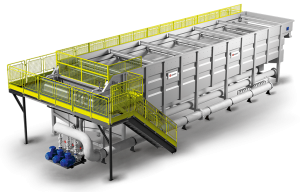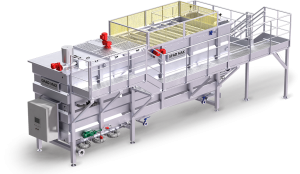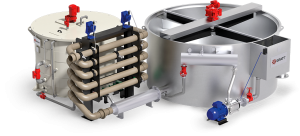
Designed for quick installation and operation plug-and-play!
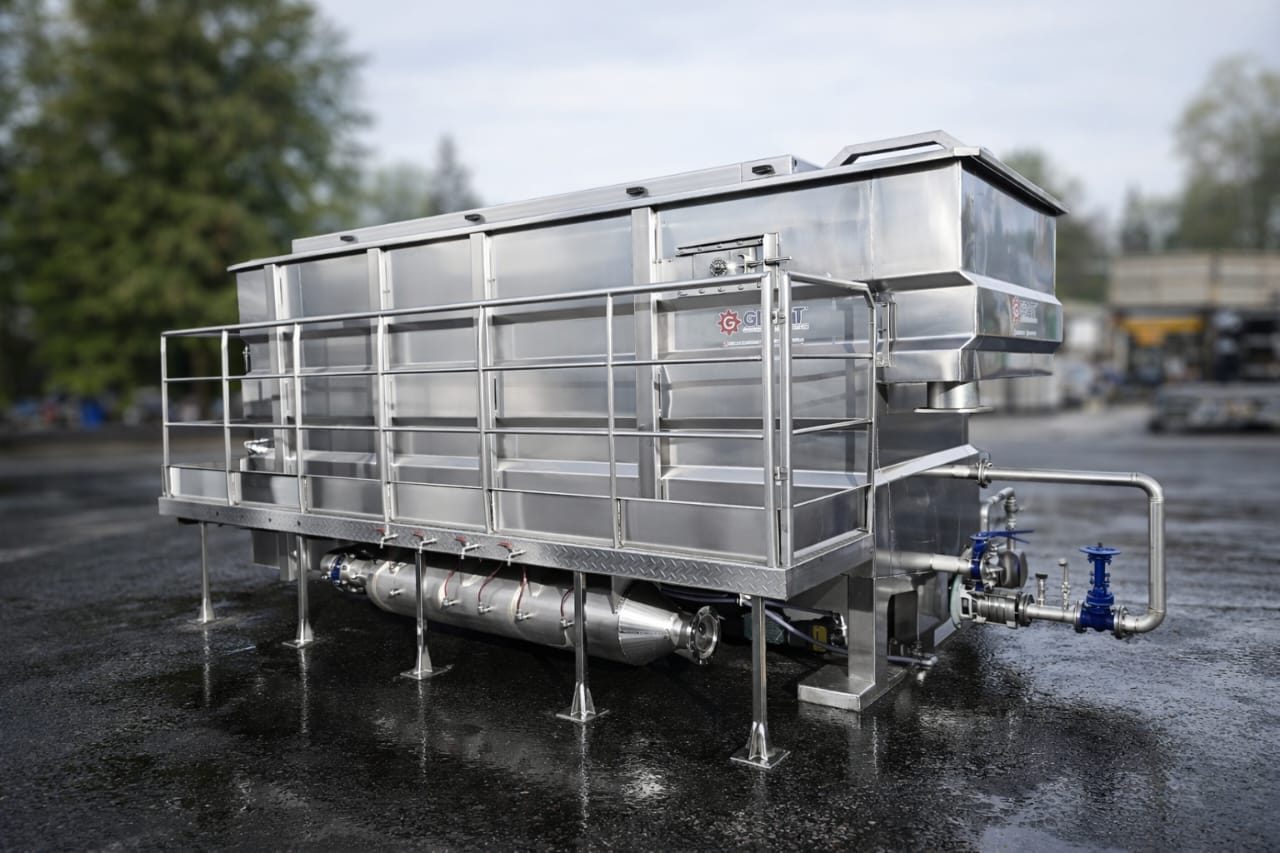
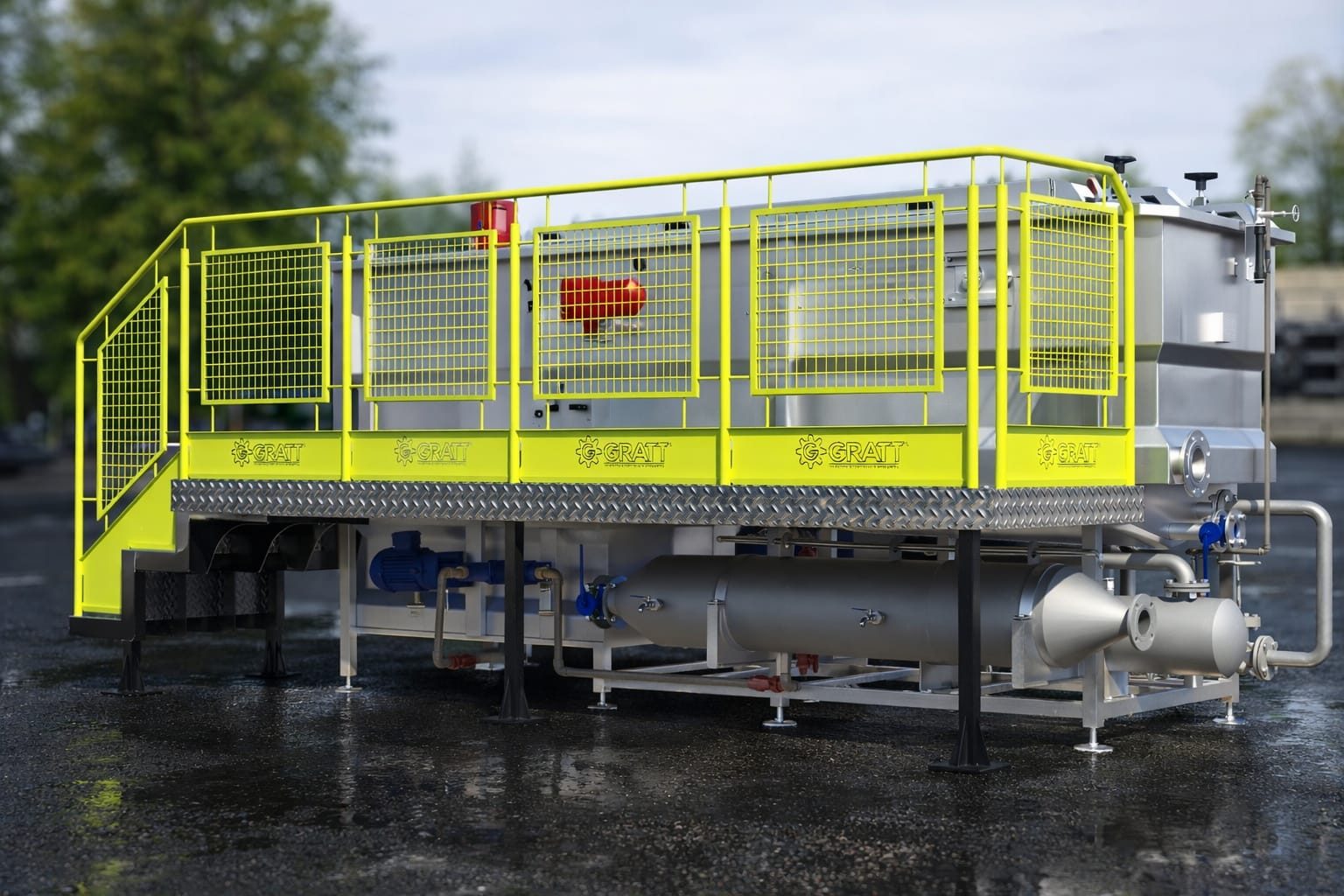
The Gratt Compact Flotation Unit (CFU) offers the most compact, efficient and integrated solution for dissolved air flotation processes.
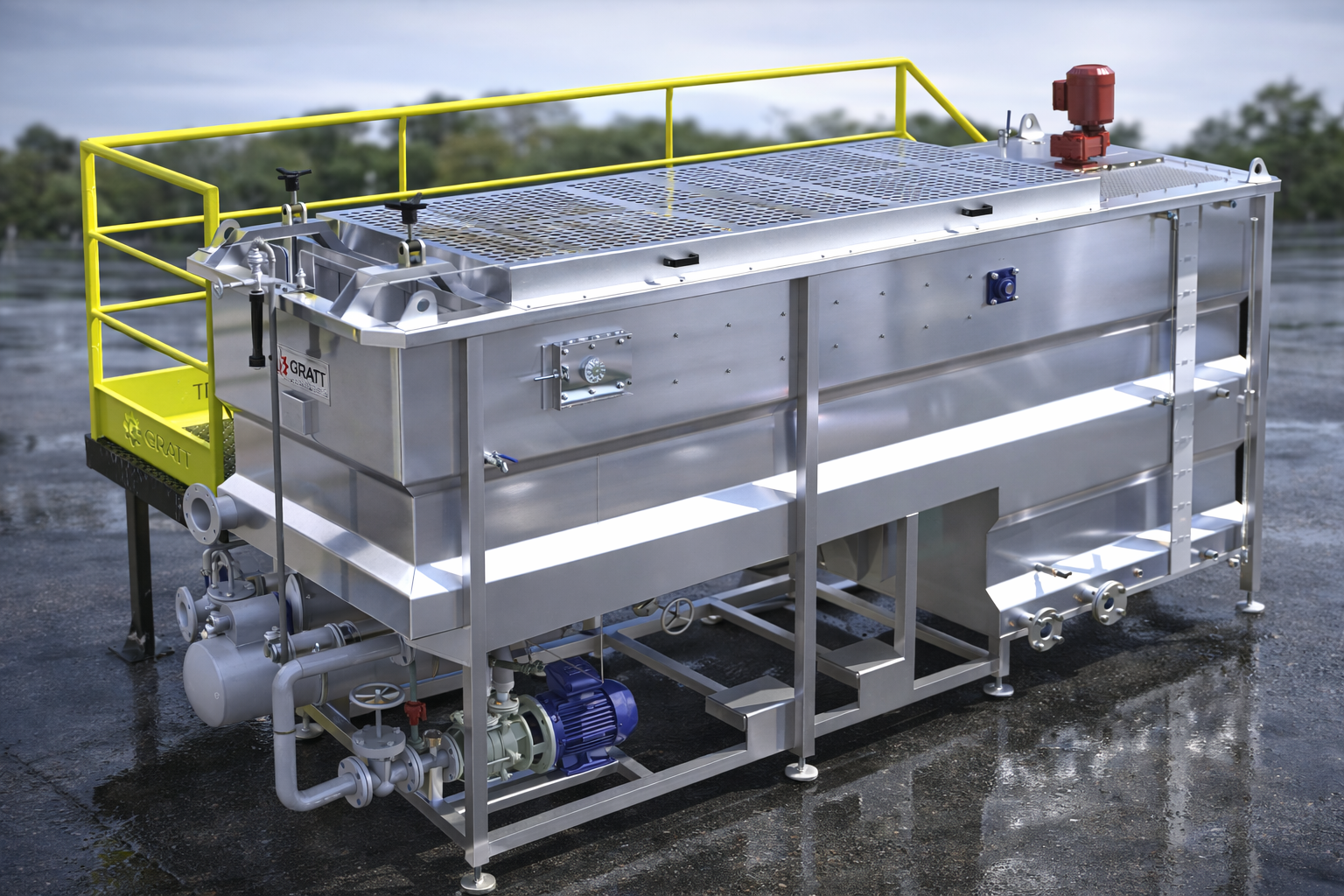
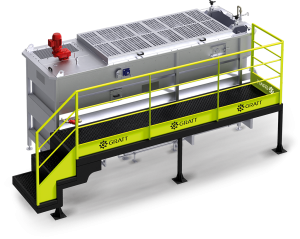
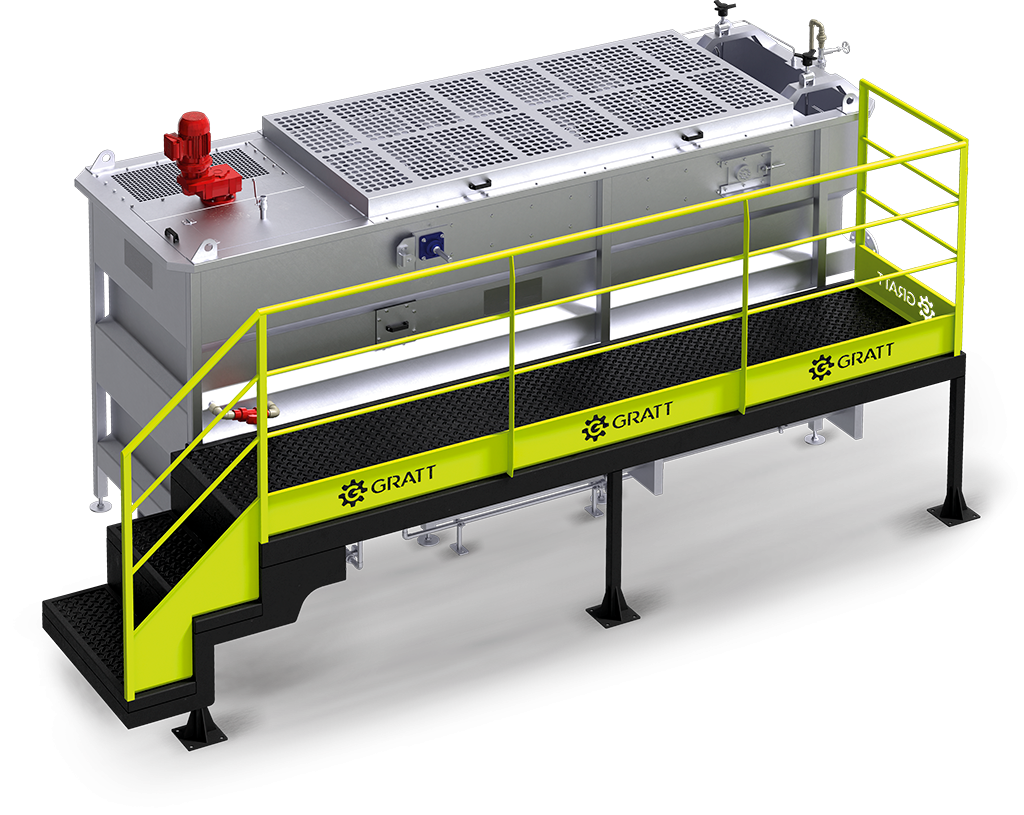
The Gratt Compact Flotation Unit (UFC) is an integrated system for physical-chemical treatment of effluents, developed to combine high clarification efficiency with a reduced footprint. The equipment concentrates, in a single set, the chemical reaction steps, generation of microbubbles, flotation and automatic sludge removal, providing high performance, continuous operation and easy integration into new or existing industrial plants.
Its modular concept allows different configurations according to the needs of the process, making it possible to include or exclude peripherals according to the application, reducing civil works costs, simplifying the layout and optimizing installation.

How does it work?
The process is based on dissolved air flotation (FAD/DAF), a technology that promotes solid-liquid separation through the adhesion of air microbubbles to the flakes formed in the physical-chemical stage.
These microbubbles reduce the apparent density of the particles, causing them to quickly rise to the surface, where they are mechanically removed. The clarified liquid remains in the lower zone of the tank and is collected for disposal or subsequent steps.
Process steps
Step 01 – Physicochemical reaction
The raw effluent is taken to the reaction line, where controlled dosing of coagulants, flocculants and polymers takes place. The mixture promotes the destabilization of colloidal particles and the formation of flakes with greater mass and aggregation capacity.
Step 02 – Recirculation and pressurization
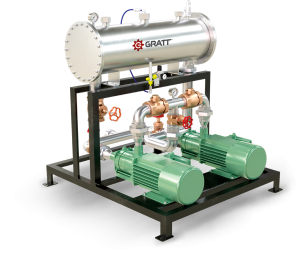
Part of the already clarified effluent is recirculated by a specific pump, being pressurized and saturated with compressed air in a closed line.
Step 03 – Generation of microbubbles
Upon returning to the tank under atmospheric pressure, the dissolved air is released, forming microbubbles with a high specific surface area, essential for flotation efficiency.
Step 04 – Flotation
The microbubbles adhere to the flocs formed in the chemical reaction, creating lower density aggregates that quickly rise to the surface, forming the floated sludge blanket.
Step 05 – Sludge removal
The surface scraping system, made up of paddles, chains, bearings and gear motor, continuously removes accumulated sludge and directs it to the disposal chute, keeping the tank always clean and stable.
Step 06 – Exit of treated effluent
The clarified liquid is collected at the exit heads and is sent for reuse, polishing or release, according to the required standards.
Differences
- Compact and integrated system;
- Tank and structure in stainless steel;
- High efficiency in removing solids, oils and grease;
- Optimized generation of microbubbles;
- Continuous automatic scraping;
- Modular layout and easy installation;
- Reduction of civil works;
- Low maintenance;
- Continuous and reliable operation.
Applications
Recommended for physical-chemical treatment of industrial and sanitary effluents, being widely applied in:
- Refrigerators;
- Dairy products;
- Food industries;
- Paper and cellulose;
- Textiles;
- Chemicals and petrochemicals;
- Agro-industries;
- Water reuse systems;
- Effluent treatment plants (WWTP).
UFC Gratt leaks
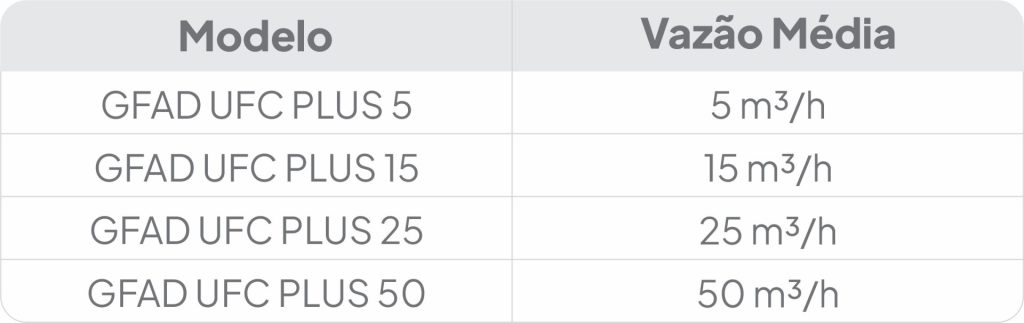
Construction
The flotation tank is made of stainless steel, ensuring high resistance to corrosion, long service life and low maintenance, even in aggressive environments.
The set consists of:
- Flotation tank with hydraulic separation zones;
- Physicochemical reaction system;
- Motorized surface scraping system;
- Pressurized recirculation system;
- Air saturation and injection system;
- Piping, structural supports and industrial gearmotors.
All components are sized for continuous operation, ensuring mechanical robustness and operational reliability.
Advantages of the UFC Gratt Compact Flotation Unit