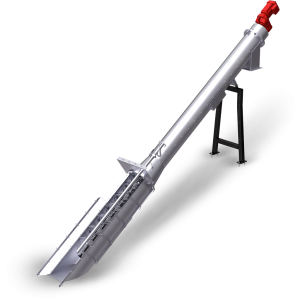
Small in size, giant in results!
With its small size, the Gratt channel micro screen is the ideal solution for open channel effluents.
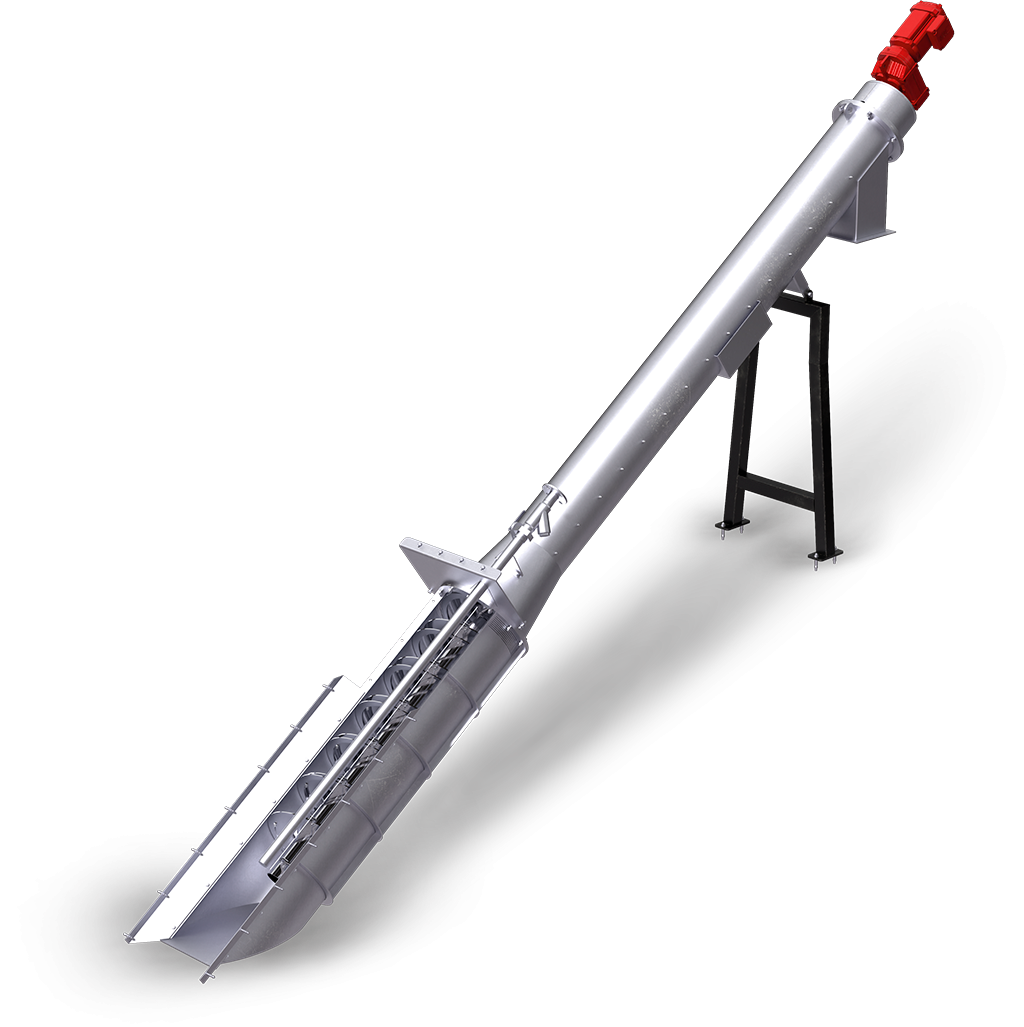
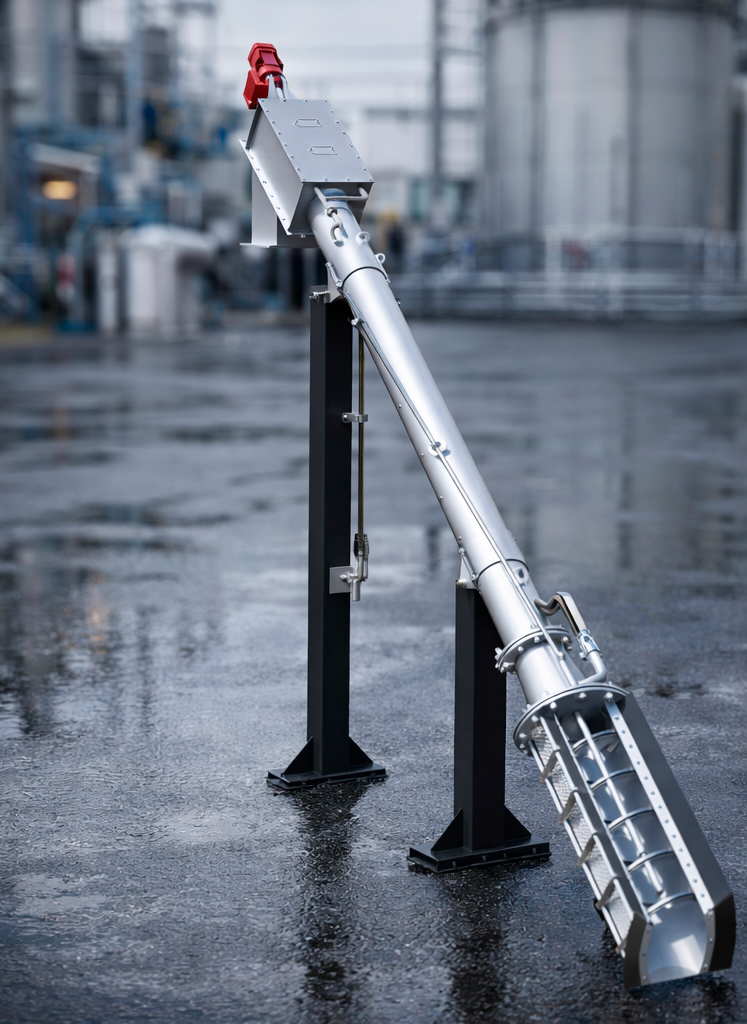
The Gratt Channel Micro Sieve is solid-liquid separation equipment developed for retaining coarse solids in industrial effluents conducted through open channels or buried lines. Installed directly in the canal itself, it eliminates major civil works and pumping systems, reducing implementation costs and simplifying the pre-treatment operation.
It acts as an initial mechanical barrier in the process, protecting pumps, pipes and subsequent stages of treatment, increasing the reliability and useful life of the entire plant.
How does it work?
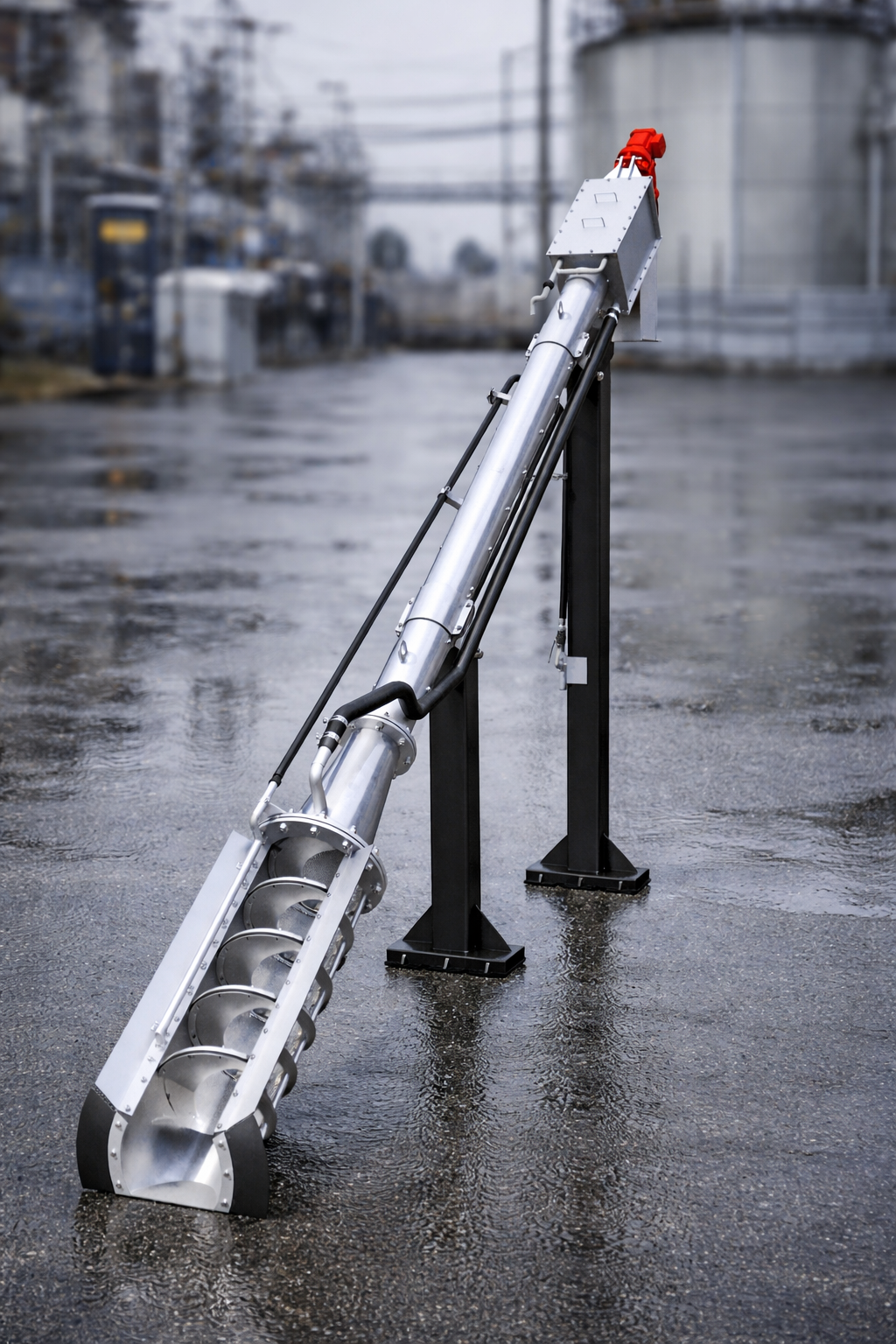
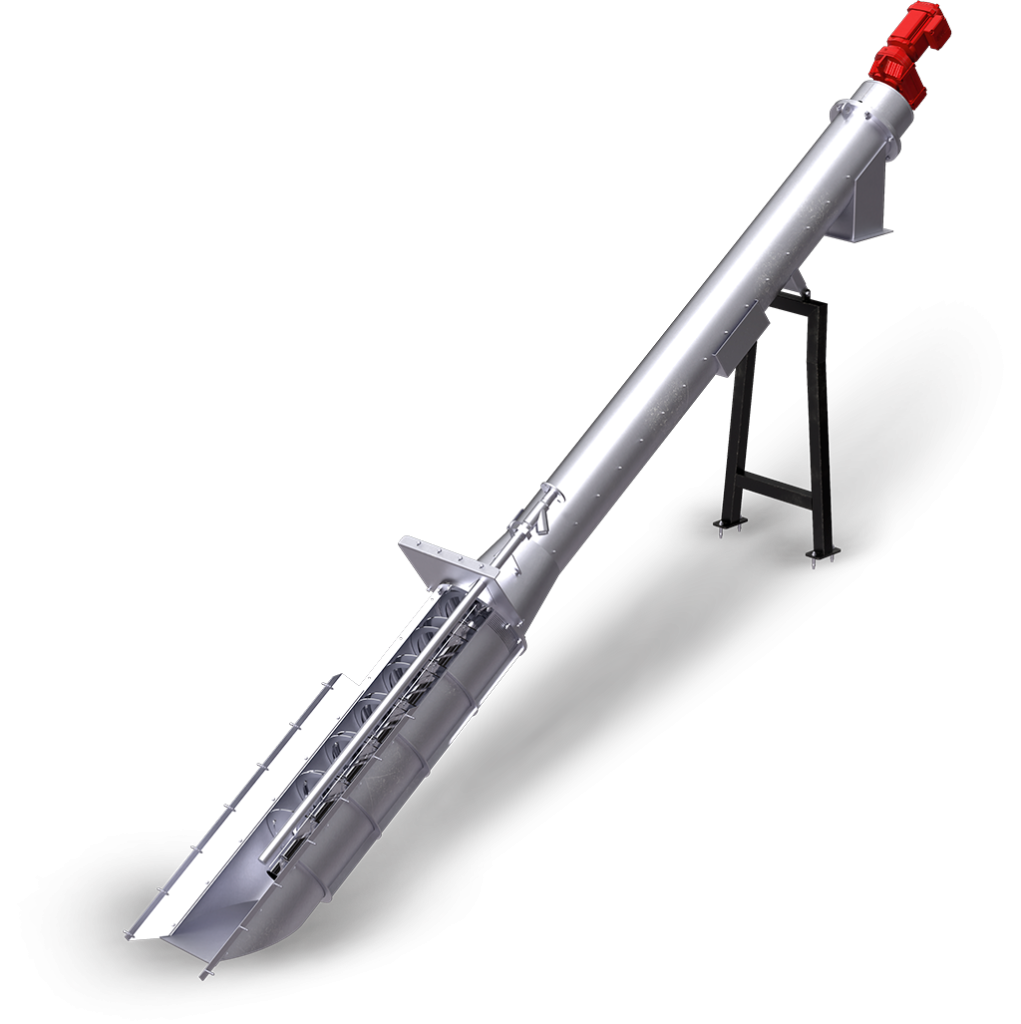
The effluent passes through the filter element while the solids are retained on the surface of the screen. An internal helicoid continuously transports this waste along the rotating drum to the discharge end, where it is collected by a hopper or compaction system.
To maintain sieving efficiency, pressurized spray nozzles sanitize the filter element, unblocking the holes using fan-shaped jets of water, ensuring constant flow and preventing clogging.
Advantages of Gratt Channel Micro Sieve
Differences
- 100% 304 stainless steel construction;
- Direct installation in gravity channel;
- Continuous solids removal by screw;
- Integrated hygiene system;
- Automatic operation; low maintenance;
- High durability;
- Compact design and easy integration with existing systems.
Applications
Recommended for pre-treatment of industrial and sanitary effluents, retention of coarse solids, protection of equipment, effluent (WWTP) and water (ETA) treatment plants, food industries, cold storage, dairy, paper and cellulose, textiles, chemicals, tanneries, agro-industries and water reuse systems.
Construction
Made entirely from AISI 304 stainless steel, the sieve is highly resistant to corrosion, abrasion and aggressive environments. The set consists of a robust structure, rotating drum, stainless steel filter element, internal conveyor screw and pressurized washing system, filling the entire width and height of the channel for maximum flow interception.
Automation
The activation of the hygiene system can be automated by a timer or sensors, allowing operation only at programmed intervals, reducing water and energy consumption and wear on components.