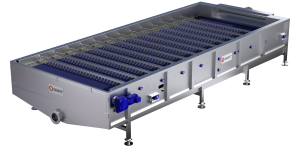
Sludge Thickening Table for continuous mechanical thickening!
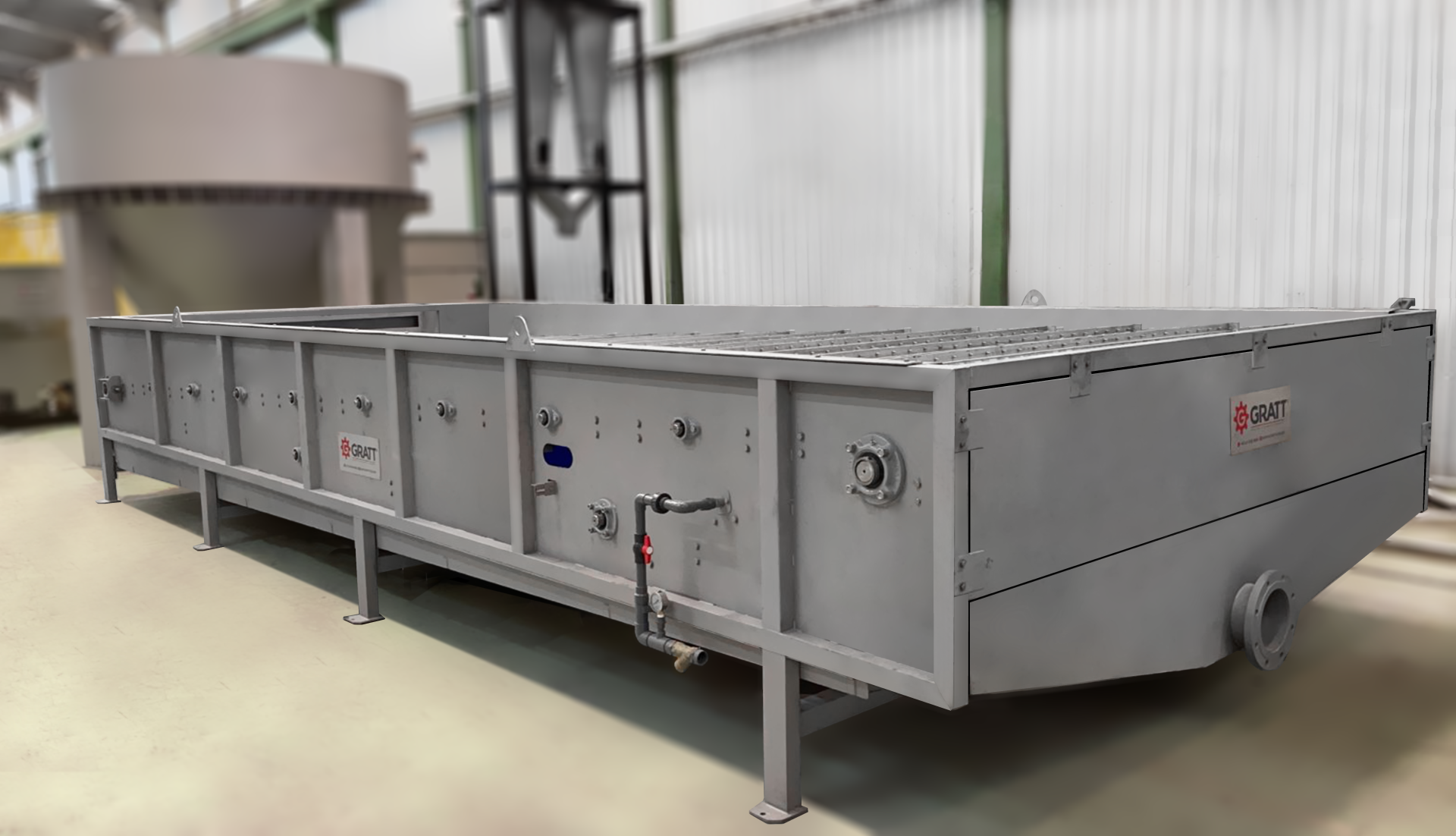
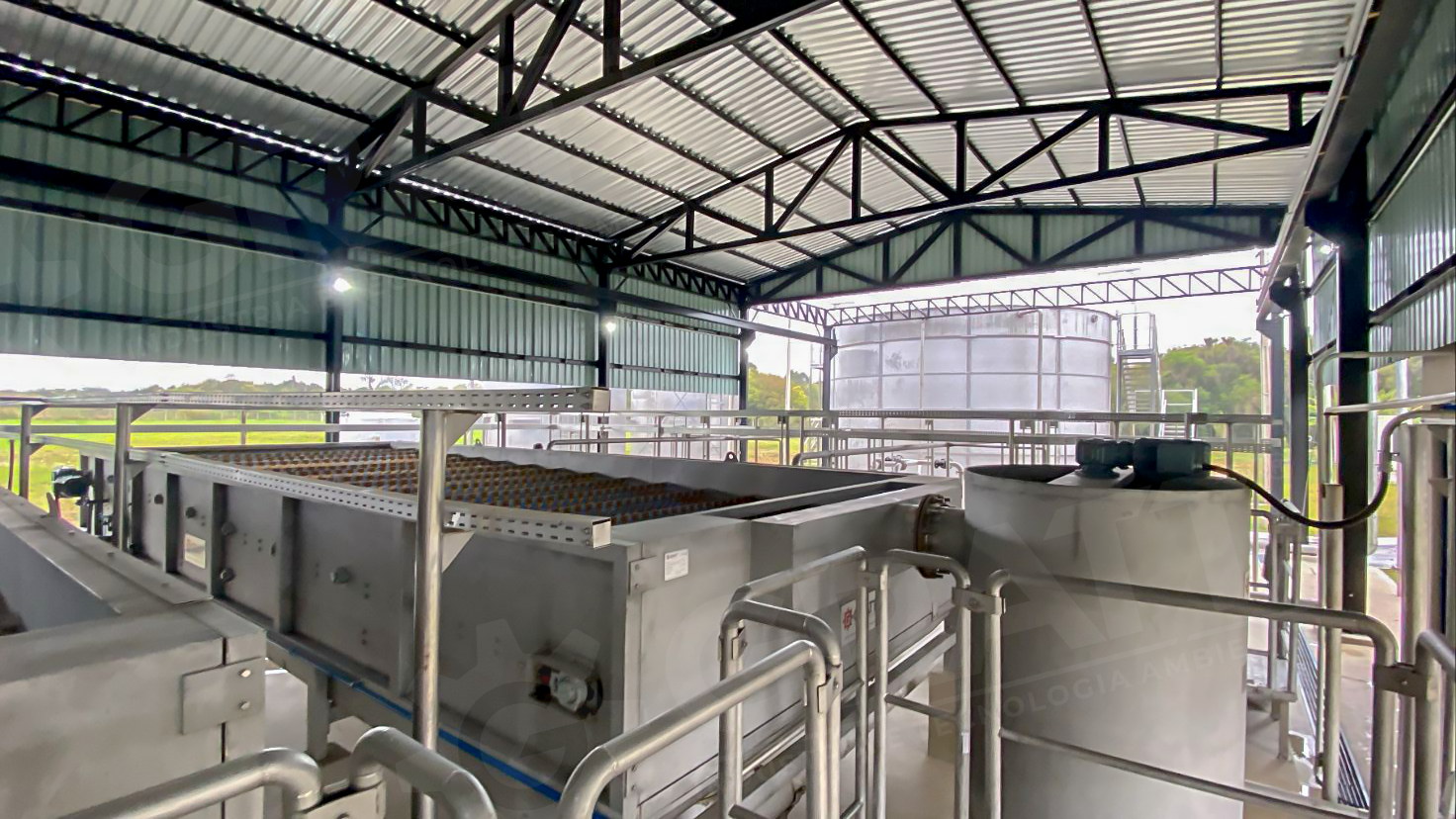
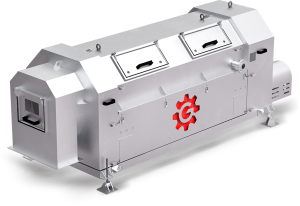
A GRATT Sludge Thickening Table is equipment developed for the continuous mechanical thickening of diluted sludge, originating from biological or physical-chemical processes in water and effluent treatment plants (ETA and ETE), both municipal and industrial.
Also known as pre-dewatering table, thickening table or gravity belt thickener, this technology performs solid-liquid separation efficiently, significantly reducing the volume of sludge before the dehydration steps.
It is a simple, robust and economical solution, capable of reducing the volume of sludge by approximately 6 to 7 times, depending on the characteristics of the material, directly contributing to the reduction of transportation, storage and final disposal costs.
How does it work?
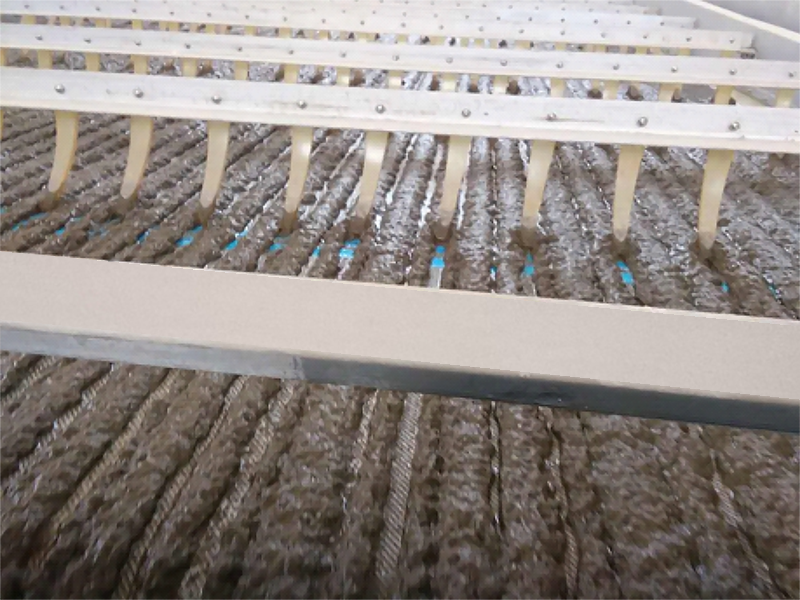
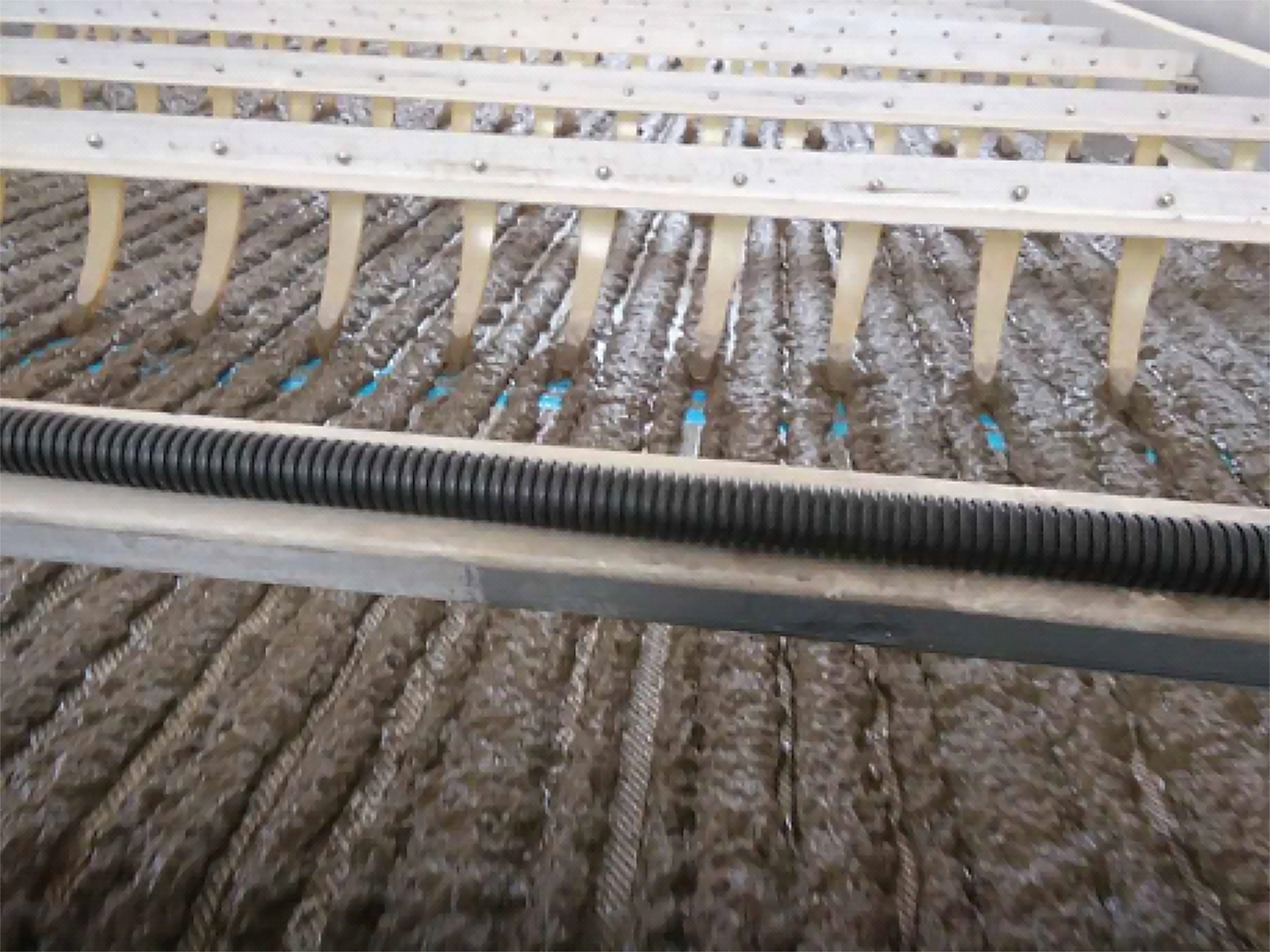
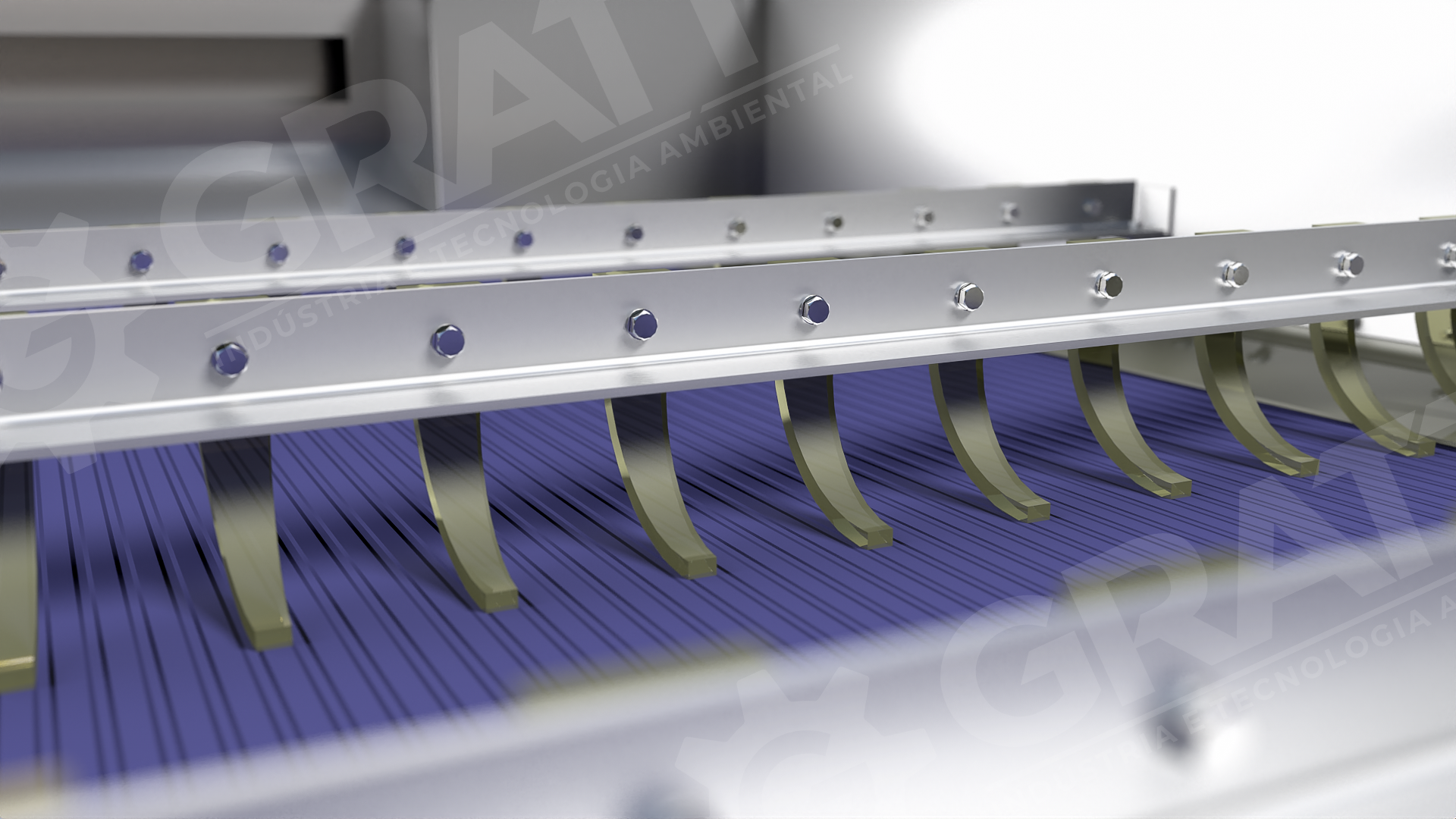
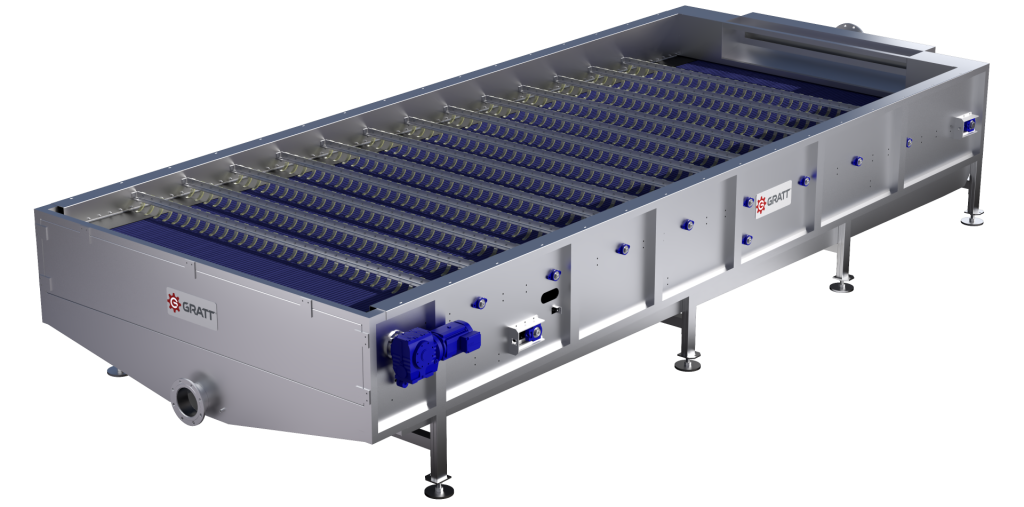
The operation of the Densing Table is based on a process of low pressure with gravity drainage, using a porous belt made of PET (polyethylene terephthalate).
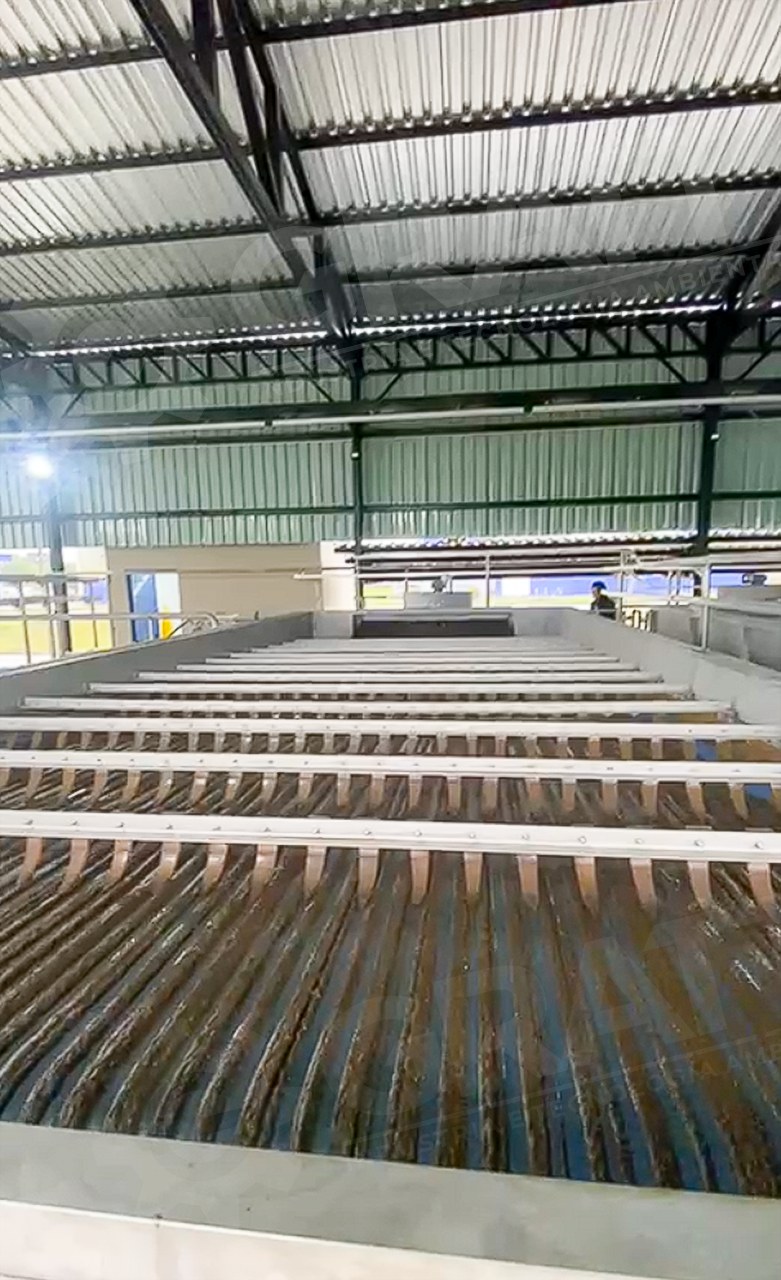
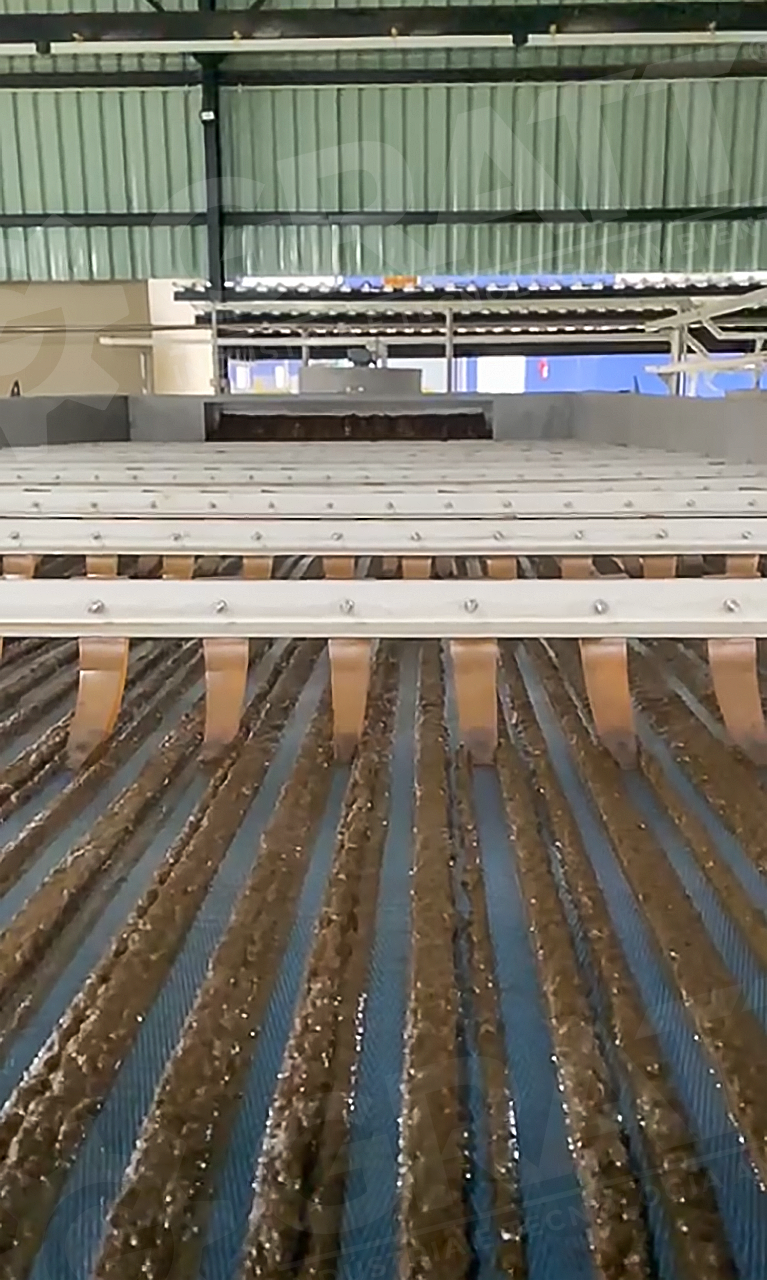
The previously conditioned sludge (flocculated) is distributed homogeneously over the belt. As you progress along the treadmill:
- Free water drains through the belt mesh
- Solids are retained on the surface
- The solids content increases progressively
The belt operates continuously, similar to a conveyor belt. The dense solids are removed by scraping at the end, being directed to a collection container, while the drained (percolated) liquid is collected in a lower gutter.
At the top, sludge flow dividers distribute the material evenly, optimizing drainage and increasing process efficiency.
To guarantee performance, the sludge previously passes through a retention tank (flocculator), where it is mixed with polymer. This process forms consistent flakes, allowing better solid-liquid separation during densification.
Technical Characteristics
- Gravity drainage process (low pressure);
- High resistance PET filter belt;
- Continuous operating system;
- Flow dividers for better sludge distribution;
- Scraping system to remove solids;
- Collection of percolate in lower gutter;
- Belt speed between 3 and 18 m/min;
- Automatic belt alignment adjustment;
- Belt tensioning system.
Advantages
- Low energy consumption;
- Low noise level;
- Low maintenance cost;
- Low number of moving parts;
- Low need for operational monitoring;
- Low polymer consumption;
- Significant reduction in sludge volume;
- High solids capture rate (up to 98%);
- High operational performance;
- Low internal volume, reducing odor control.
Constructive and Differentiating Resources
- Structure in AISI 304 or 316L stainless steel;
- Feeding ramp for better thickening performance;
- Adjustable flow dividers;
- Automatic belt centering system;
- Robust and durable design for continuous operation.
MADL Line – Models and Capabilities
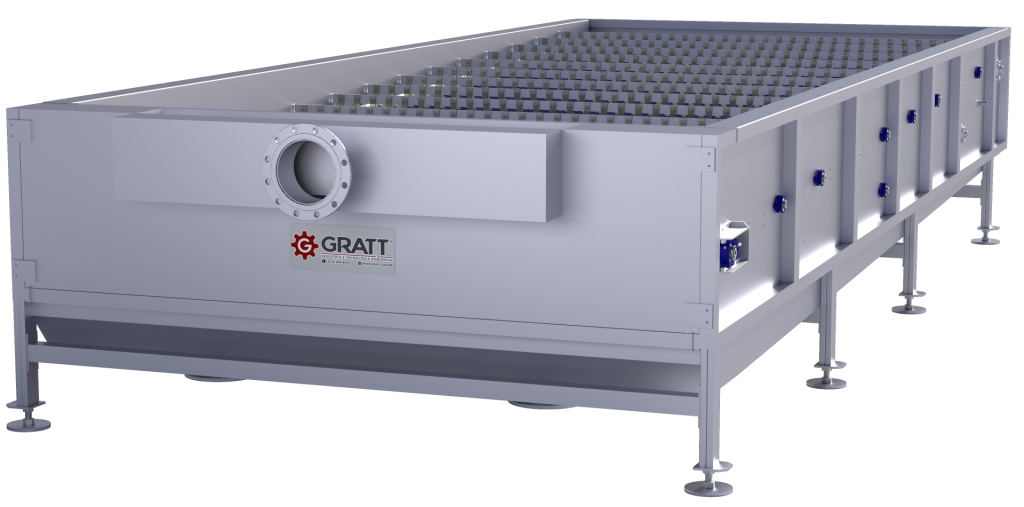
The line of GRATT Sludge Thickening Tables (MADL) It is made up of six models: 700, 1000, 1500, 2000, 2500 and 3000, varying mainly by the width of the belt (700 mm to 3000 mm).
Flow Capacity
- De 5 and 15 m³/h (model MADL 700)
- Up to 60 to 100 m³/h (MADL 3000 model)
Considering sludge with solids content between 0,4% e 1,5% at the entrance.
Solids Loading
- From 150 to 250 kg/h (smaller models)
- Up to 600 to 1000 kg/h (larger models)
Energy Consumption
- Models 700 e 1000: 0,37 kW
- Model 1500: 0.55 kW
- Model 2000: 0.75 kW
- Models 2500 and 3000: 1.5 kW and 2.2 kW
Dimensions and Structure
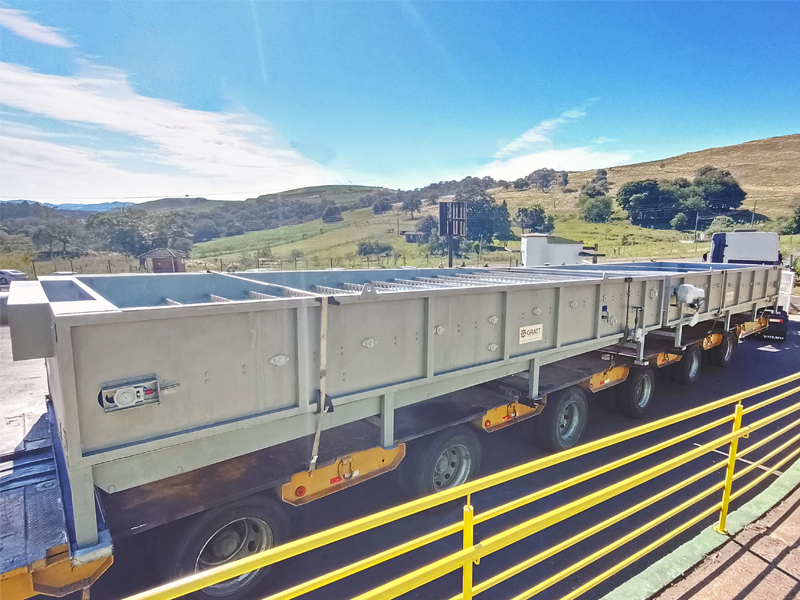
- Length: 3600mm to 4500mm
- Height: 1200 mm (up to 1600 mm on model 3000)
- Weight: from 700 kg to 2500 kg
Sludge Thickening Table Applications
The GRATT Thickening Table is recommended for:
- Sewage Treatment Plants (ETE)
- Water Treatment Plants (ETA)
- Chemical, food and paper and cellulose industries
- Biological and physicochemical processes
- Pre-treatment for dehydration systems (centrifuges, presses, etc.)
Efficient Solution for Sludge Volume Reduction
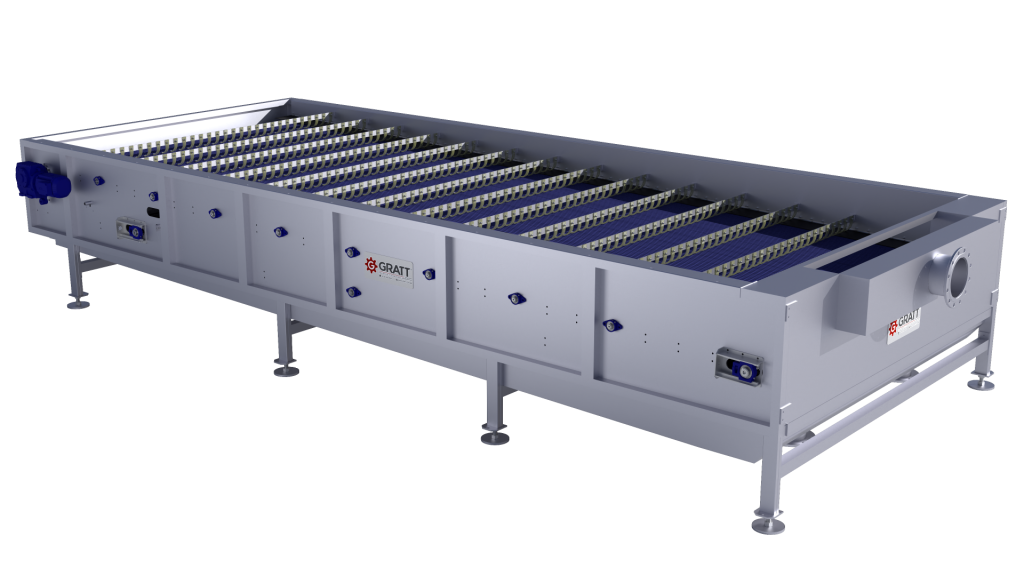
A GRATT Sludge Thickening Table It is an essential solution for optimizing treatment systems, providing volume reduction, improving dehydration efficiency and reducing operating costs.
With simple, robust and highly efficient technology, the equipment guarantees reliable and continuous performance in industrial and environmental applications.