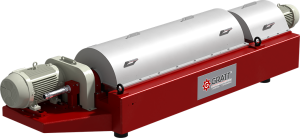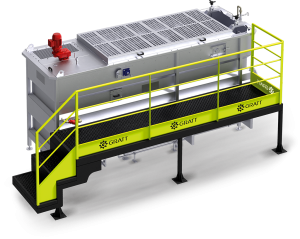
Prefabricated Modular ETE
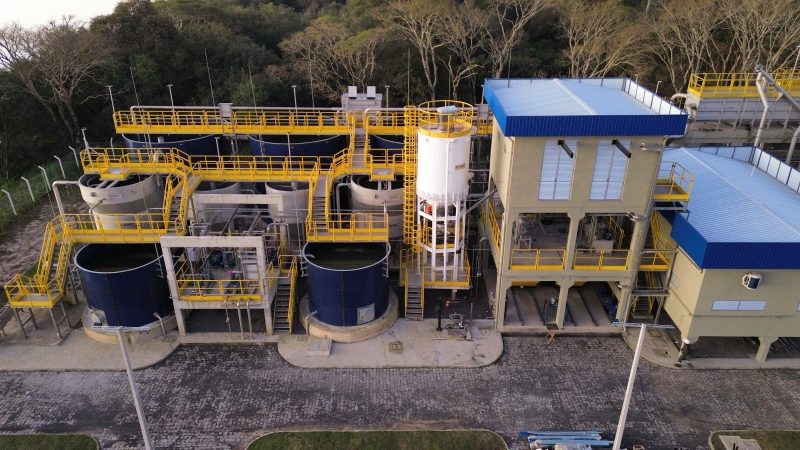
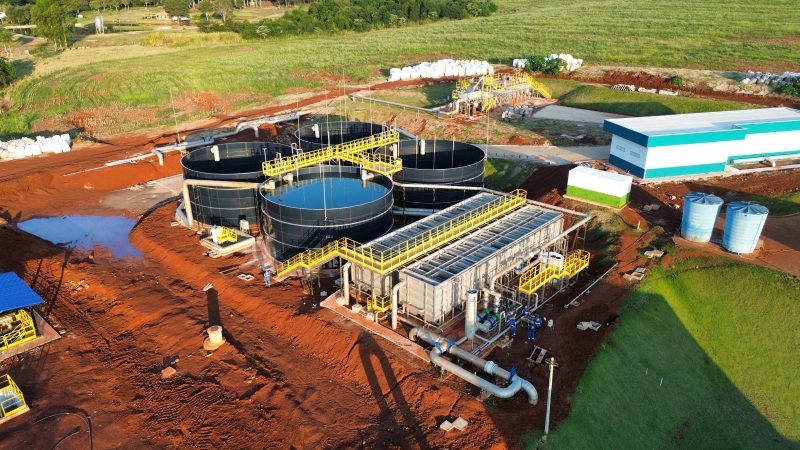
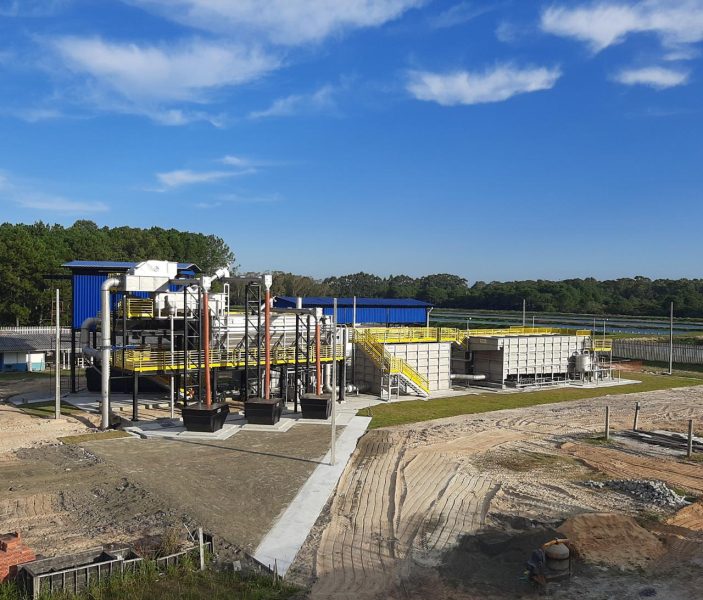
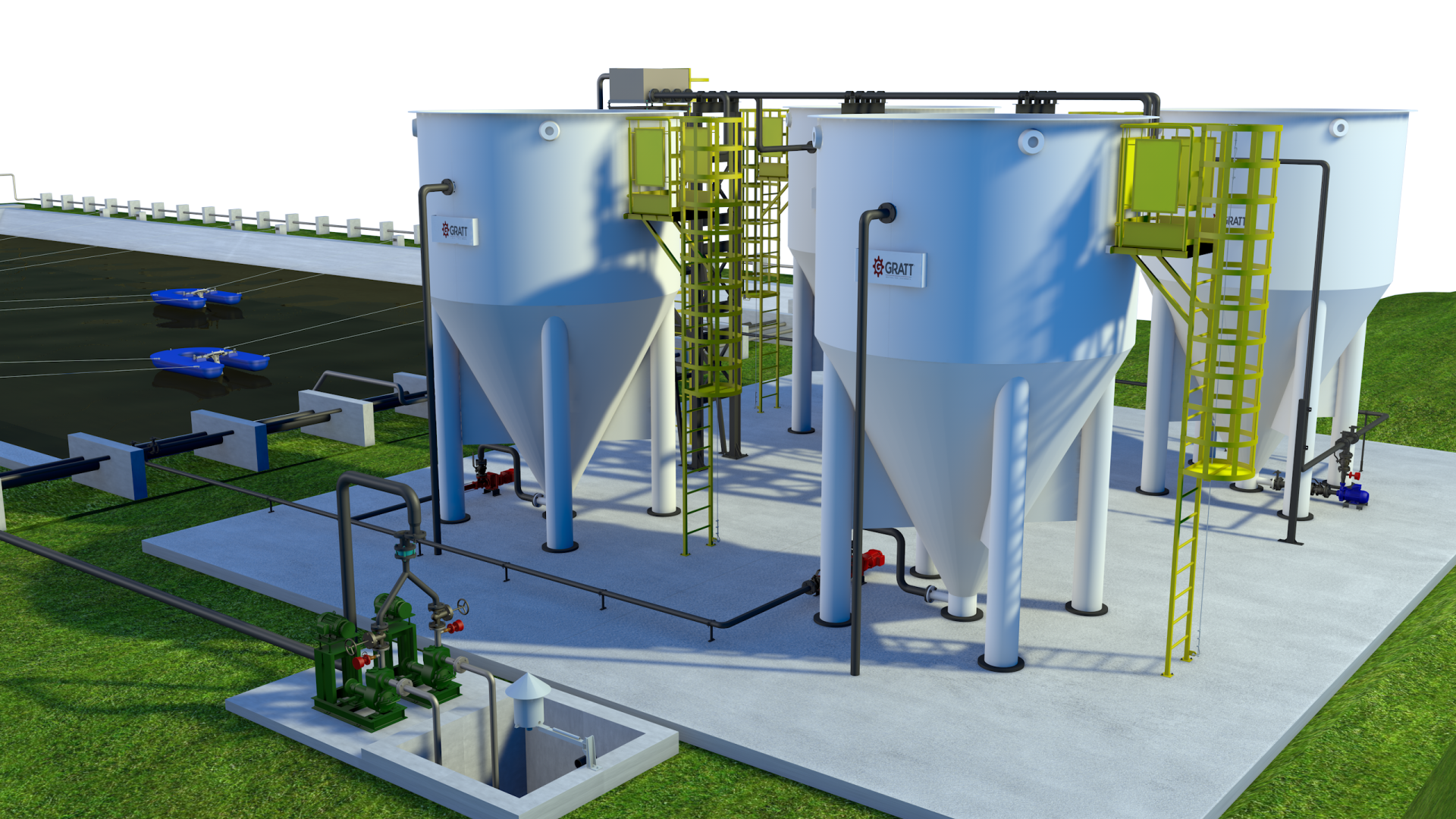
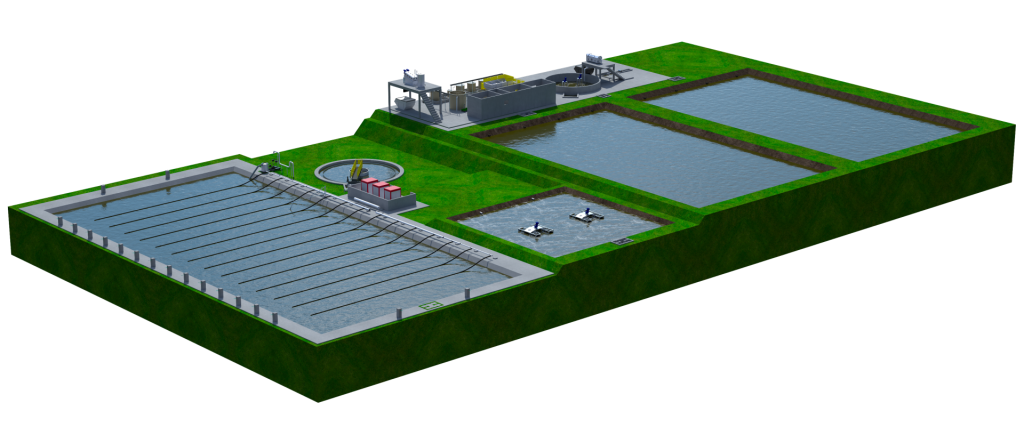
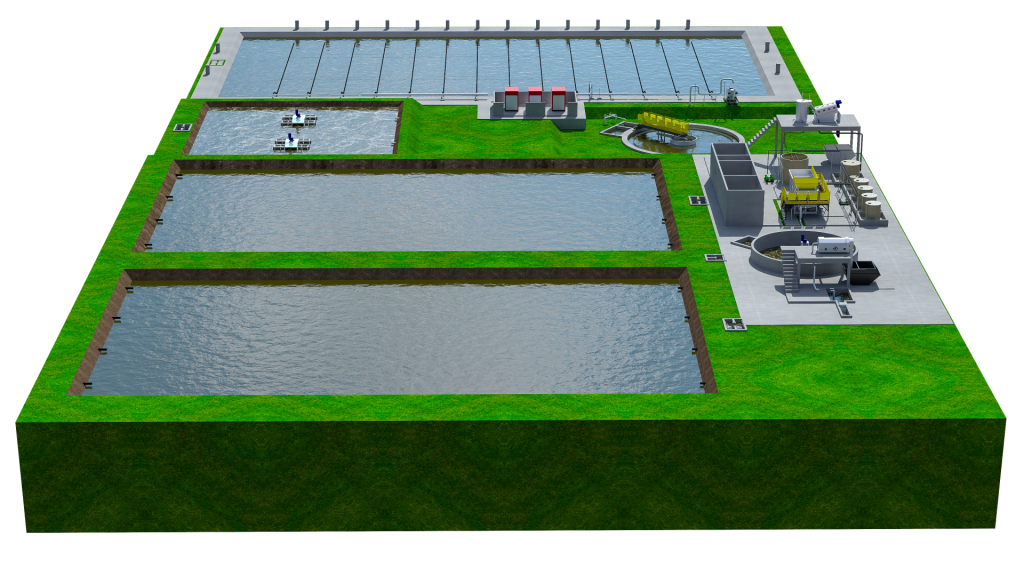
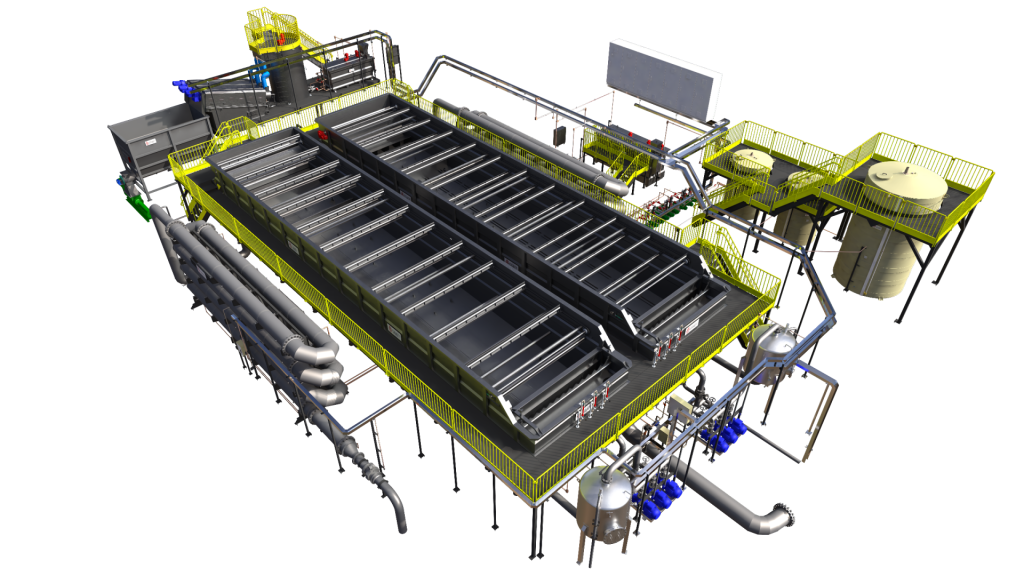
A GRATT Prefabricated Modular Effluent Treatment Plant It is a modern, efficient and quickly implemented solution for the treatment of industrial and sanitary effluents.
Designed to meet high flow demands with operational flexibility, the modular ETE combines advanced technology, ease of installation and excellent treatment performance, ensuring compliance with the most demanding environmental standards.
The great difference of this system is in its modular design, which allows expansion according to demand growth, reducing initial investments and enabling planned expansion of the plant.
Construction Materials
GRATT modular ETEs are manufactured with highly durable and resistant materials:
- Stainless steel, which allows pre-assembled supply and reduced installation time
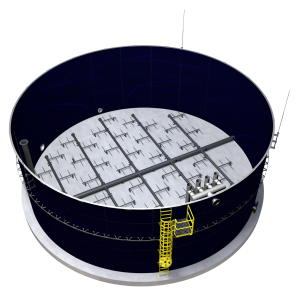
- Glazed steel, ideal for large volumes, with agile assembly and long service life
These materials guarantee chemical and mechanical resistance and long durability even in aggressive environments.
Advantages of Modular ETE
- Quick installation with prefabricated units
- Reduction of civil works
- Low operating cost (OPEX)
- Ease of operation and maintenance
- High durability of materials
- Scalable and expandable system
- Compliance with environmental standards
GRATT Solutions for Different Technologies
Industrial and sanitary effluents have variable compositions and may contain high organic loads, suspended solids and nutrients.
The GRATT modular ETE integrates processes biological and physicochemical, which can act jointly or independently, ensuring efficient removal of pollutants and protection of the environment.
GRATT offers different biological treatment configurations within modular WWTPs, allowing you to select the most appropriate technology depending on the application.
Below are the main technologies available:
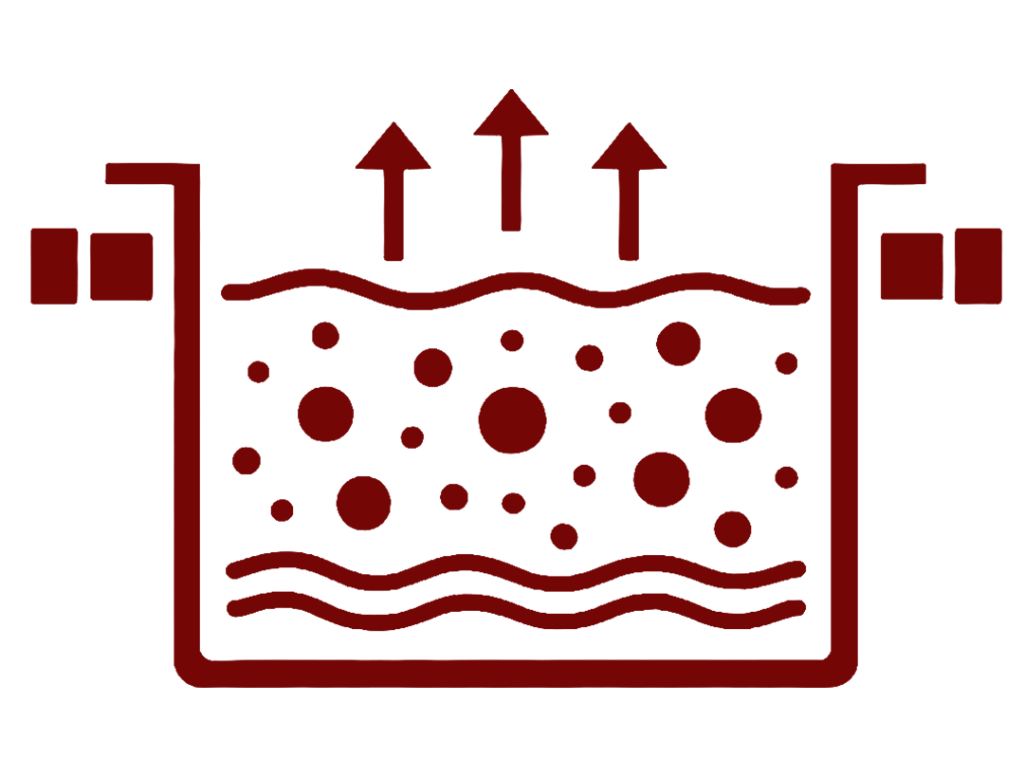
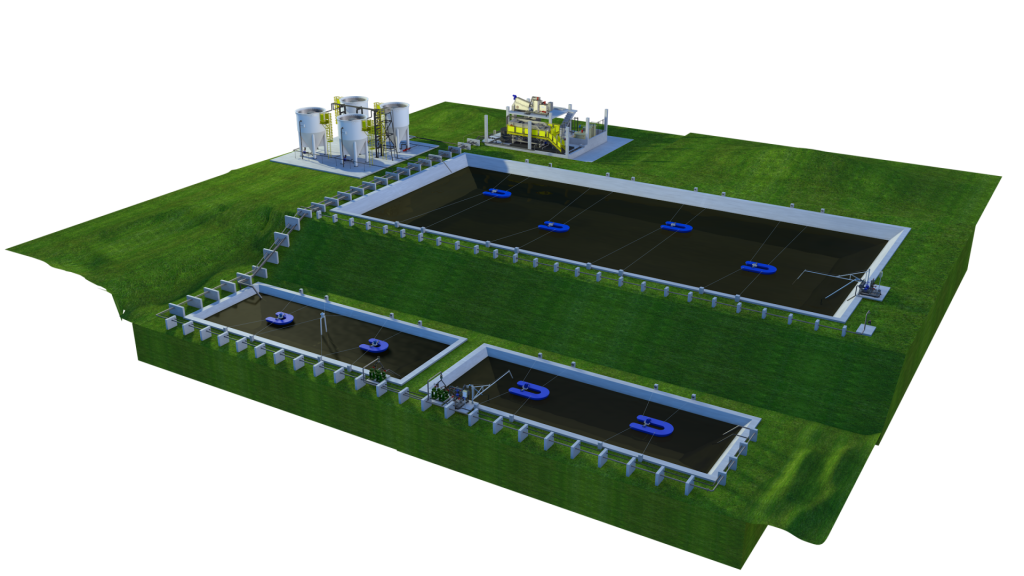
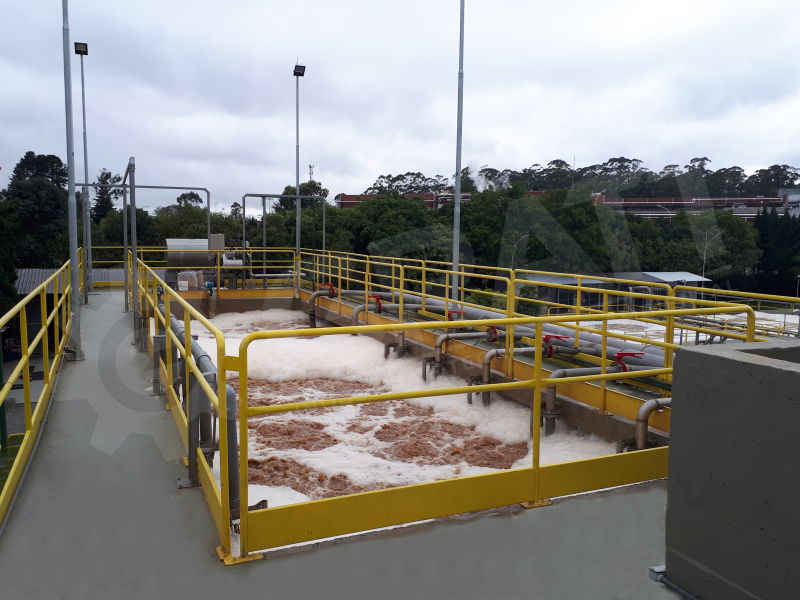
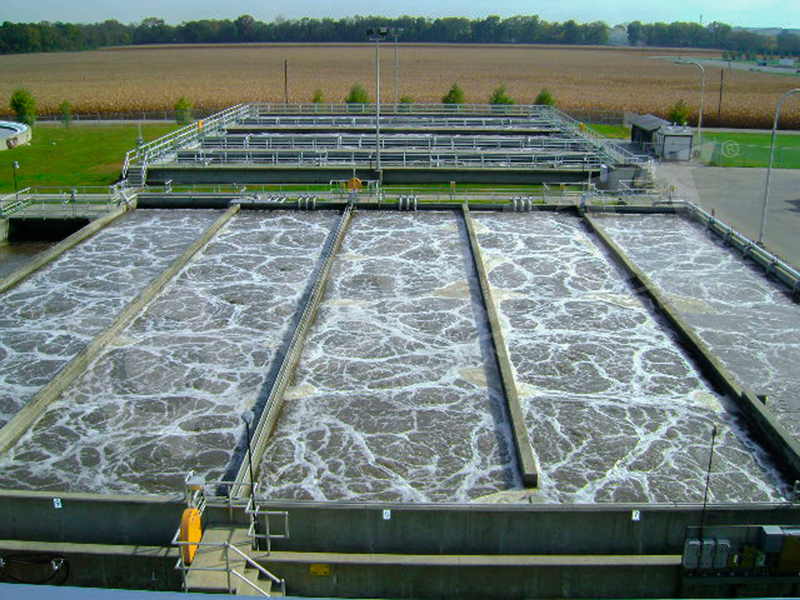
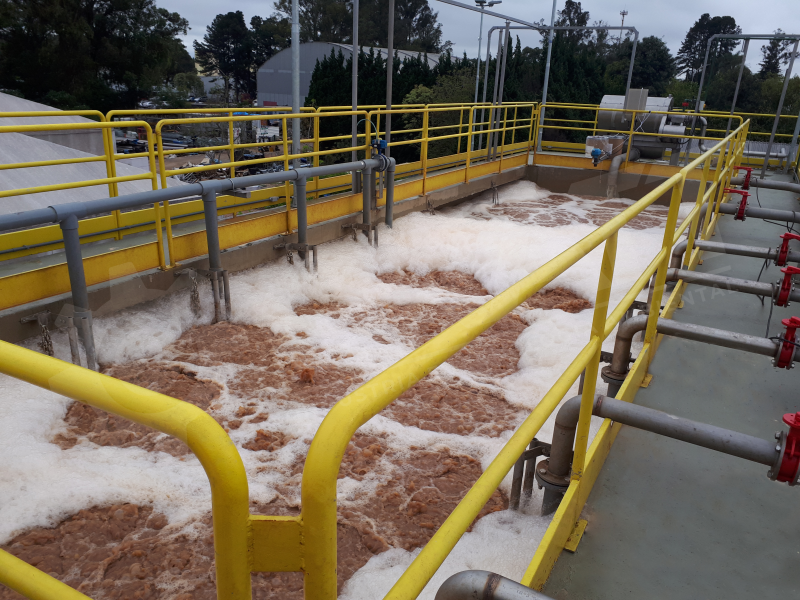
The system of GRATT Activated Sludge It is one of the most consolidated technologies for treating industrial and sanitary effluents, based on the action of microorganisms in suspension.
The process takes place in aerated reactors, where the biomass consumes the organic matter present in the effluent. After this stage, the system has solid-liquid separation units, such as decanters or floaters, in addition to sludge recirculation.
This technology is highly efficient in removing:
- Organic matter (BOD and COD)
- Suspended solids
- Nutrients like nitrogen and phosphorus
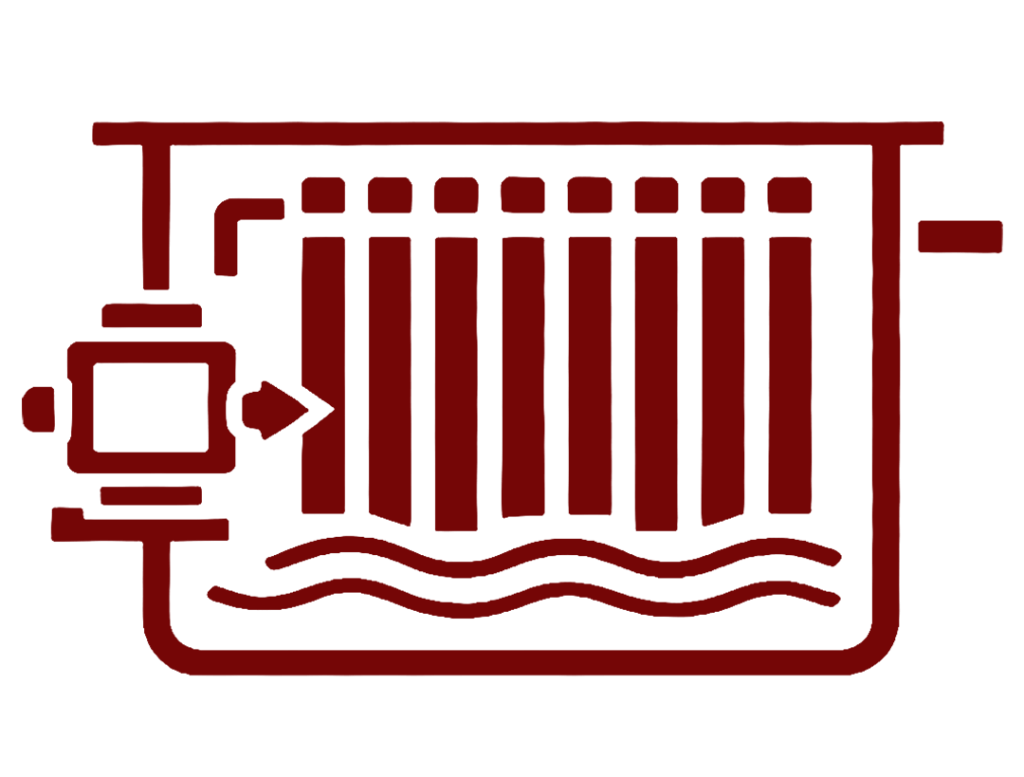
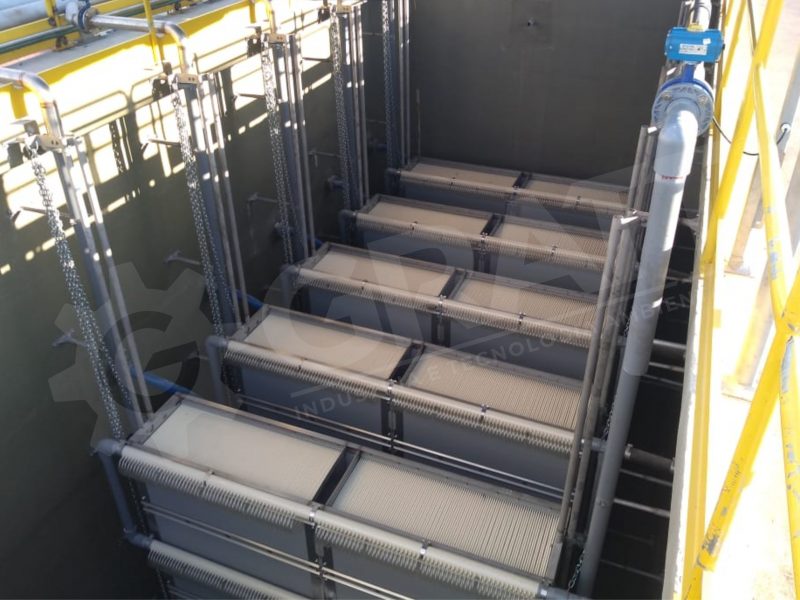
The system MBR (Membrane Bioreactor) combines biological treatment with membrane separation, replacing conventional decantation processes.
After biological treatment, the effluent passes through filtration membranes, resulting in a very high quality permeate.
This technology allows you to achieve higher levels of removal of:
- Suspended solids
- Turbidity
- Organic matter
- Bacteria and microorganisms
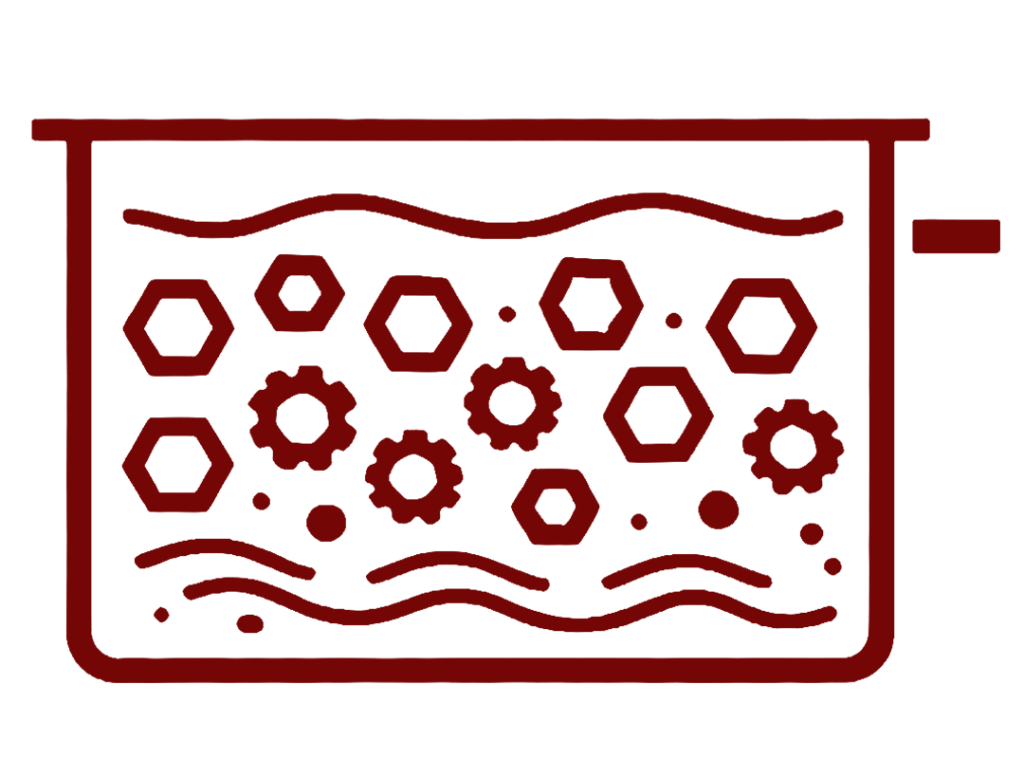
The system MBBR (Moving Bed Biofilm Reactor) it uses a plastic support to fix the biomass, which remains in constant movement inside the aerated reactor.
This technology significantly increases the surface area available for biological growth, resulting in greater treatment efficiency and greater process stability.
With greater biomass retention, the system allows you to work with reduced reactor volumes, making it ideal for projects with limited space.
Process Characteristics
- Biomass adhered to medium support
- Continuous mixing inside the reactor
- High organic load removal rate
- Reduction of required tank volume
GRATT Engineering for Modular ETEs
A GRATT develops tailor-made modular Effluent Treatment Stations, considering:
- Effluent flow and load
- Type of application (industrial or sanitary)
- Available space
- Environmental requirements
The integration between technologies and modular design guarantee an efficient, scalable solution aligned with the needs of each client.