
You have probably already noticed that many companies make a point of making it very clear to their customers and the general population how engaged and concerned they are with sustainable management, highlighting actions and products that are eco-friendly, 100% natural, “green economy” and many others.
But why so much effort to show this? Why invest resources in indirect advertising of products or services produced? For the simple fact that they are investing in green marketing strategies.

After all, what is Green Marketing?
Also known as environmental marketing or ecomarketing, this is a strategy that has as its main focus the dissemination of products and/or services, production, or the business environment, relating them to everything that concerns environmental responsibility actions.
More directly, it is marketing with an environmental appeal. This means that green marketing is the process of selling an image: that the company is environmentally conscious.
Ecological awareness grows every day, and the production of goods and services that harm the environment is no longer acceptable, therefore, this image sold by marketing cannot be superficial, “in addition to talking, we have to do it!” The risks of misleading or fraudulent advertising go beyond fines applied by advertising inspection departments or environmental inspection bodies; the loss of credibility can lead to products or entire companies failing completely in the eyes of the consumer and society as a whole.
Companies that wish to initiate this strategy must be aware of the importance of transforming their entire process, adding the concepts of environmental, social, cultural and economic responsibility.
The principles of Green Marketing
As said, there is no point in transmitting the message without taking action, which not only encompasses environmental responsibility, but also economic, social and cultural responsibility. To achieve this, the company needs to carefully follow the 3 R’s of green marketing:
- Reduce
- Reuse
- Recycle
Beyond the 4 S’s:
- Security
- Sustainability
- Consumer satisfaction
- Social acceptance (Social acceptance)

It is important to follow the concept to the letter, so that the company can save money during its production, through reduced energy consumption, water reuse and financial expenses, which directly contributes to the reduction of environmental impacts, and greater profit for the operation.
This is exactly why green marketing must be developed into real attitudes, and not just green talk. There is even a label for companies that follow this discourse, but take contrary actions, they are known as Greenwashing. Receiving this label from the market is usually fatal in most cases.
What does an Effluent Treatment Plant have to do with green marketing?
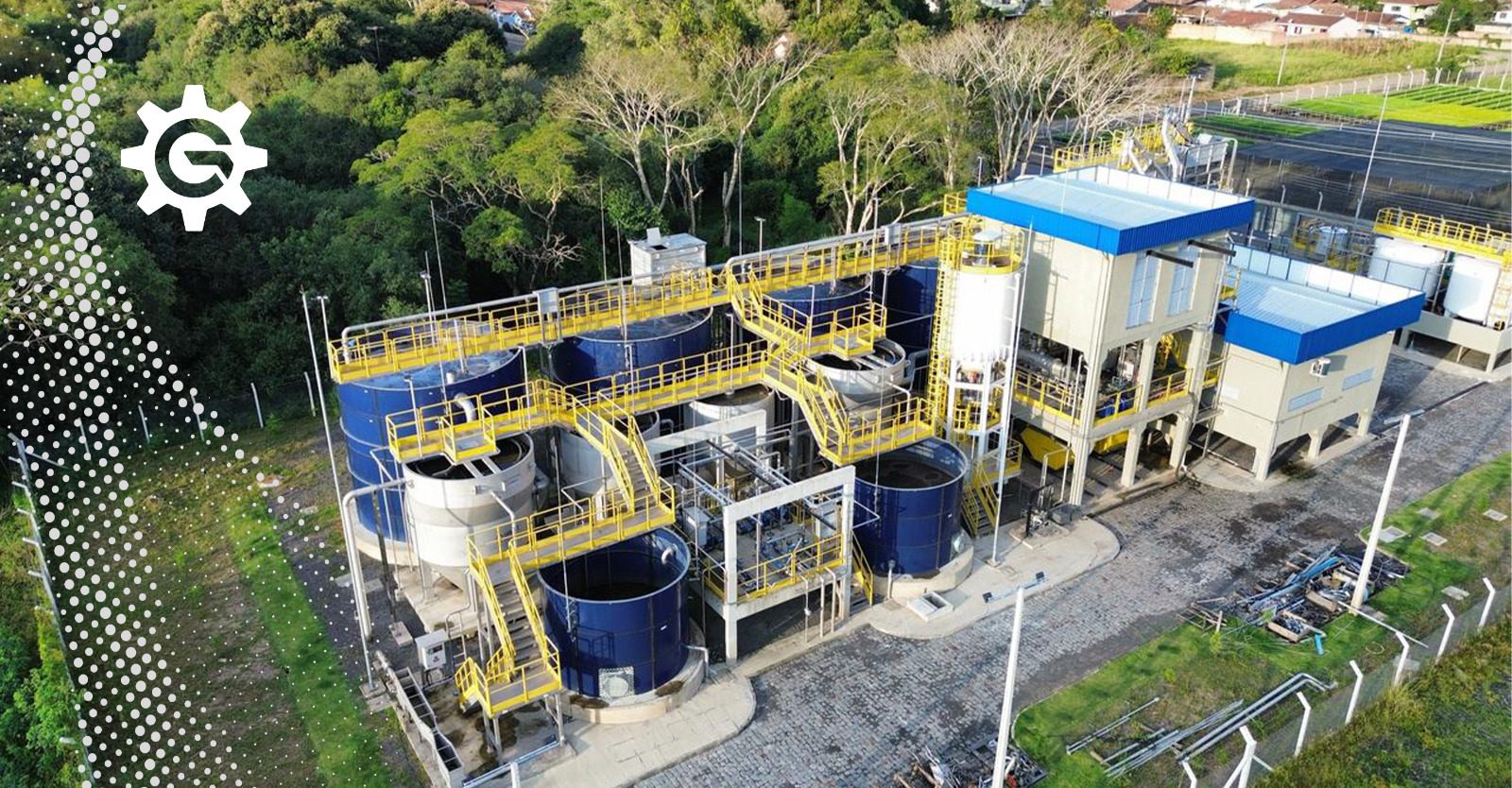
A good way to start green marketing is by installing an effluent treatment plant. Using the three R’s, it generates great benefits for the company, both in the economic and socio-environmental aspects.
A treatment plant reduces the use of inputs and allows the reuse of raw materials, reducing production costs. The inputs resulting from the treatment that cannot be reused in production itself, such as water, can be used for other purposes, such as fertilizing the land or combustion in furnaces.
In addition to benefiting the company's image, effluent treatment reduces the risk of river pollution due to incorrect disposal of substances harmful to the environment, also avoiding possible problems with legislation.
Many people still harbor a certain prejudice towards the treatment plant, thinking that it should be hidden, as it is the “dirty” part of the company, which is not true but a huge mistake. Your company's treatment plant should be publicized, and it can even be the trigger to awaken consumer interest in the brand, as it indicates how much your company cares about preserving the environment. This ends up attracting more and more people who care about sustainable actions.
And now? Are you ready to start your green marketing correctly and effectively?